Glamping pod insurance
Specialist cover for glamping pods, shepherd’s huts, yurts, and unique properties rented out to paying guests.
What Pikl covers
Top up your rental cover, or call for a combined standard property and rental insurance package
Buildings & contents
Cover for guest related loss or damages such as fire, explosion , smoke, escape of water, and emergency services damage.
Theft, accidental and malicious damage
Protection against loss for theft, accidental or intentional damage by a paying guest.
Public liability cover
Cover for up to £5 million per claim for guest related injuries and third party damage claims.
Lost rental income
Lost income cover for confirmed bookings when the property is empty more than 14 consecutive days due at an insured event.
Legal expenses
Pursue or defend a claim against a guest in court or get legal advice with our dedicated legal cover.
Home security
Cover for guest related loss of keys, replacement locks, and pest infestations that may put your home out of action.
Why choose Pikl for your rental property?
Cover gaps in your existing cover
Keep your existing policy and get cover just for protection against guest claims when renting your property out.
Cover across multiple platforms
Our policies cover you independently of any specific booking platform, so you can rent with confidence.
Backed by a well-known UK brand
Our rental cover for short-lets is backed by Prestige Underwriting.
Year round support
Our UK based customer team is is highly rated with hundreds of 5-star customer reviews.
Quick, responsive, clear, good value.
Really friendly and helpful organisation.
Excellent service as ever from Pikl Insurance.
What insurance do I need for glamping pods?
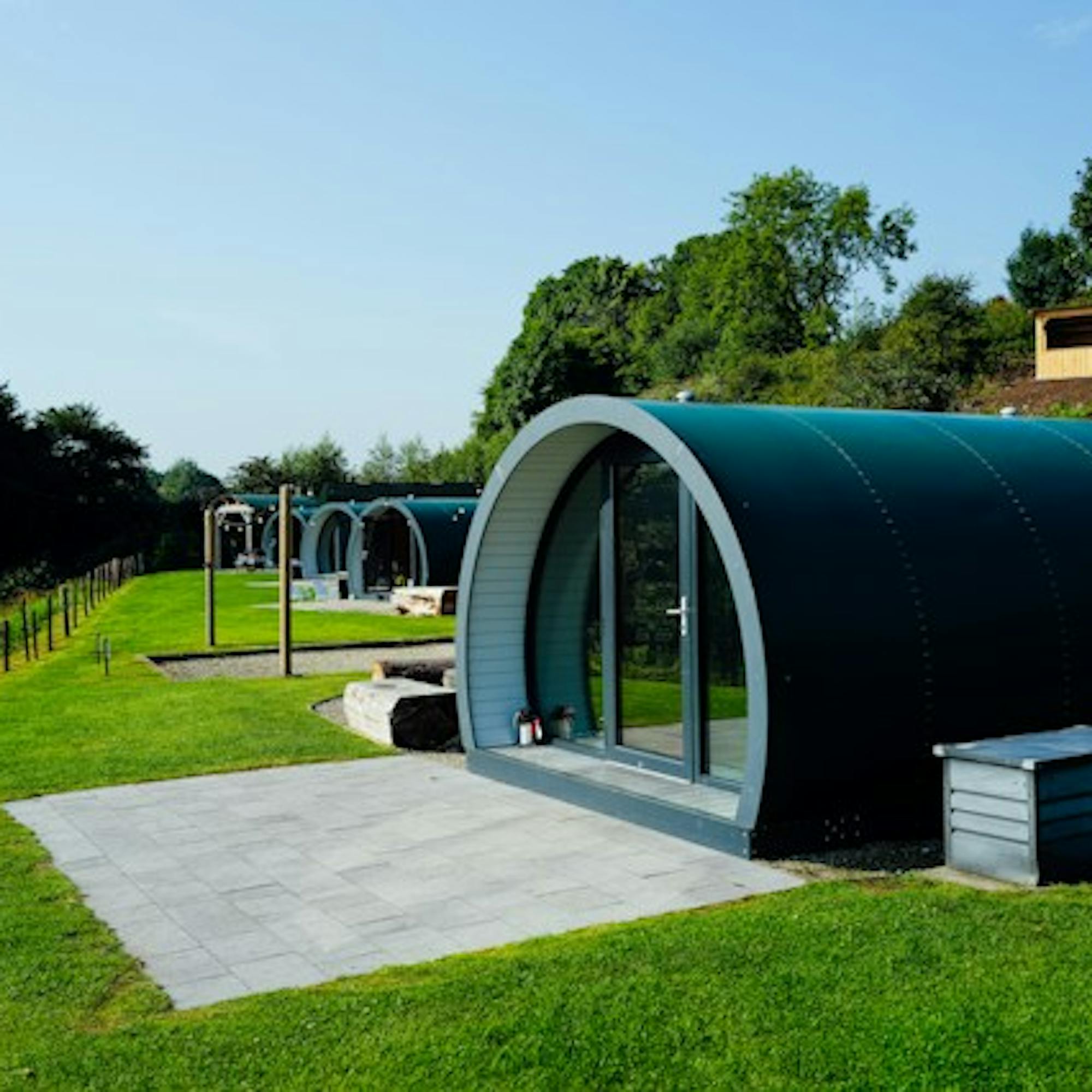
Our policy provides rental cover for glamping pods, yurts, shepherd’s huts and other unique propertied rented to guests. Explore some of these key cover features below.
Contact the Pikl team for a quote if you also need standard cover.
Structural damage
From timber-built pods to shepherd’s huts and yurts, glamping accommodation comes in many forms. Pikl provides up to £1,000,000 of cover for structural damage caused by paying guests, protecting the building and its permanent fixtures and fittings, subject to the property’s eligibility.
Contents insurance
Even the smallest glamping spaces can contain thousands of pounds’ worth of furniture, appliances and equipment. If paying guests damage your belongings, you can claim up to £100,000 under our contents cover.
Public liability insurance
An injury during a guest’s stay or damage to someone else’s property could result in a claim against you. With up to £5 million in liability protection, our policy helps cover the financial consequences of these incidents.
Loss of rental income
When your glamping accommodation is out of action, you could find yourself cancelling bookings while repairs take place. Following a successful guest-related claim, this cover can help replace income from confirmed bookings and pay cancellation penalties, starting 14 days after the successful claimable event.
Theft, malicious and accidental damage
Unusual accommodation can come with insurance challenges, particularly when it comes to theft or damage caused by guests. Some policies may exclude theft or malicious damage without evidence of forced entry. Pikl provides additional protection against these risks, alongside accidental damage to your glamping property and its contents.
Pest infestation
Glamping accommodation can be particularly exposed to the surrounding environment, making pest problems an important consideration. If guest negligence leads to an infestation that damages your property’s contents, our policy provides cover for the affected belongings.
Replacement locks
Whether you’re handing over keys to a shepherd’s hut or welcoming guests to a glamping pod, keeping access secure matters. If a guest loses a key or has one stolen, our policy covers up to £1,000 towards replacing locks and keys.
Glamping pod insurance FAQs
This type of insurance covers small, unique properties that are typically used as luxury accommodation on camping and holiday accommodation sites. Examples of the types of properties that can potentially be covered include:
Glamping pods: This type of property is a modern, self-contained accommodation that tries to bridge the gap between traditional camping and contemporary living. They often include access to modern facilities such as toilets and showers. The construction materials used can vary from eco-friendly timber, to metal and durable fabric.
Shepherd's huts: These are small, mobile structures that were traditionally used by shepherds. In modern times, they are often marketed as small luxury holiday cabins. Like glamping pods, they can be made with a variety of materials.
Yurts: Popular with holidaymakers looking for a unique and luxury camping experience, yurts are domed tents that usually have a wooden frame and canvas or felt covering.
Whilst there are some similarities with regular home insurance, the specialist nature of these properties means that dedicated cover is typically required. In addition, cover that protects you against guest damages and claims is important if you rent your property out.
You may be required to get insurance in some cases, depending on your circumstances:
Licences in Scotland: Owners of properties in Scotland usually require some form of licence in place in order to be able to rent it out to guests. Glamping pod owners in Scotland may need to apply for a licence with the government if they don’t already hold a caravan site licence. One of the requirements when applying for this licence is having adequate building and liability insurance in place.
Glamping sites: Holiday Park owners may require insurance in place as a condition for letting you keep your property there.
Finance: Your lender may require insurance in place if securing a property on finance.
These types of properties may be an expensive investment. Even if there is no legal or contractual requirement to have insurance in place, ask yourself if you can afford to repair or replace items as opposed to paying a comparatively smaller fee for insurance.
Pikl’s rental insurance for paying guests is a fixed cost that varies depending on how many nights of cover you rent out the property a year. Properties that also require standard cover can be considered on a case-by-case basis over the phone, although not all of them may be eligible for cover that resembles a typical home insurance policy.
For unique properties that do require standard cover in addition to protection for short-term rentals, premiums for these structures are often less predictable given the uniqueness of the risk. Your insurer may take some of the following factors into account:
Permanent structures: Properties that are not classed as permanent structures and can be assembled when needed may be covered under contents instead. This may result in lower premiums if covered (depending on the value and insurer) as no equivalent buildings cover is needed.
Materials: The type of materials used may dictate the price you pay to some degree. Materials typically used industry wide may have lower premiums than ones more difficult to source in the event of a claim or those that carry a higher likelihood of risk.
Age: Insurers may take into account the age of the make and model as this may reduce its value and impact the premium accordingly.
Claims history: Any claims previously made will make you a higher risk and affect any no claims bonus.
Location: Where the property resides in a fixed area, your insurer will look at location specific risk factors such as flood risk, weather events, and crime rates.
Property use: How often you use the property and who it is used by will be taken into account, including whether the property is rented out to guests. Properties used more frequently may result in higher premiums due to a higher likelihood of a claim occurring. On the flip side, properties left empty for extended periods may have different risks.
Given that there is no one size fits all approach to standard premiums, shopping around is usually the best approach. Reducing cover can result in cheaper premiums but getting the right insurance that suits your needs should be a priority.
Get a quote in minutes
Compare insurers for a combined home and host insurance package.