Airbnb check-in instructions template
Discover a host’s guide to a smooth Airbnb check-in to give your guests more peace of mind and attract higher reviews.

When you're tired from travelling, a smooth arrival can make a big difference to your first impression of a stay. Hotels have spent decades refining their check-in experiences, but Airbnb check-ins can work quite differently.
Many Airbnb properties use self-check-in, allowing guests to access the property using a key safe, smart lock or keypad. Others offer an in-person welcome. Whichever approach you use, guests should have clear instructions, know when they can check in and understand how to contact you if they have any problems.
As a Host, you can make the check-in process as straightforward as possible by understanding the options available, giving guests the information they need before arrival and setting clear check-out instructions too.
In this guide, we'll discuss how Airbnb check-in works, the main options available to Hosts and some practical ways to make arrivals and departures easier for guests.
How does Airbnb check-in work?
There's no single standard for Airbnb check-ins. The process depends on how you choose to manage access to your property. You can offer self-check-in or arrange to meet guests in person.
Airbnb allows Hosts to add check-in instructions to their listing so guests can see the information they need before arrival. Make sure your listing clearly states your check-in and check-out times and explains how guests will access the property.
If you don't specify check-in or check-out times, Airbnb's default times are 3.00 pm for check-in and 11.00 am for check-out local time.
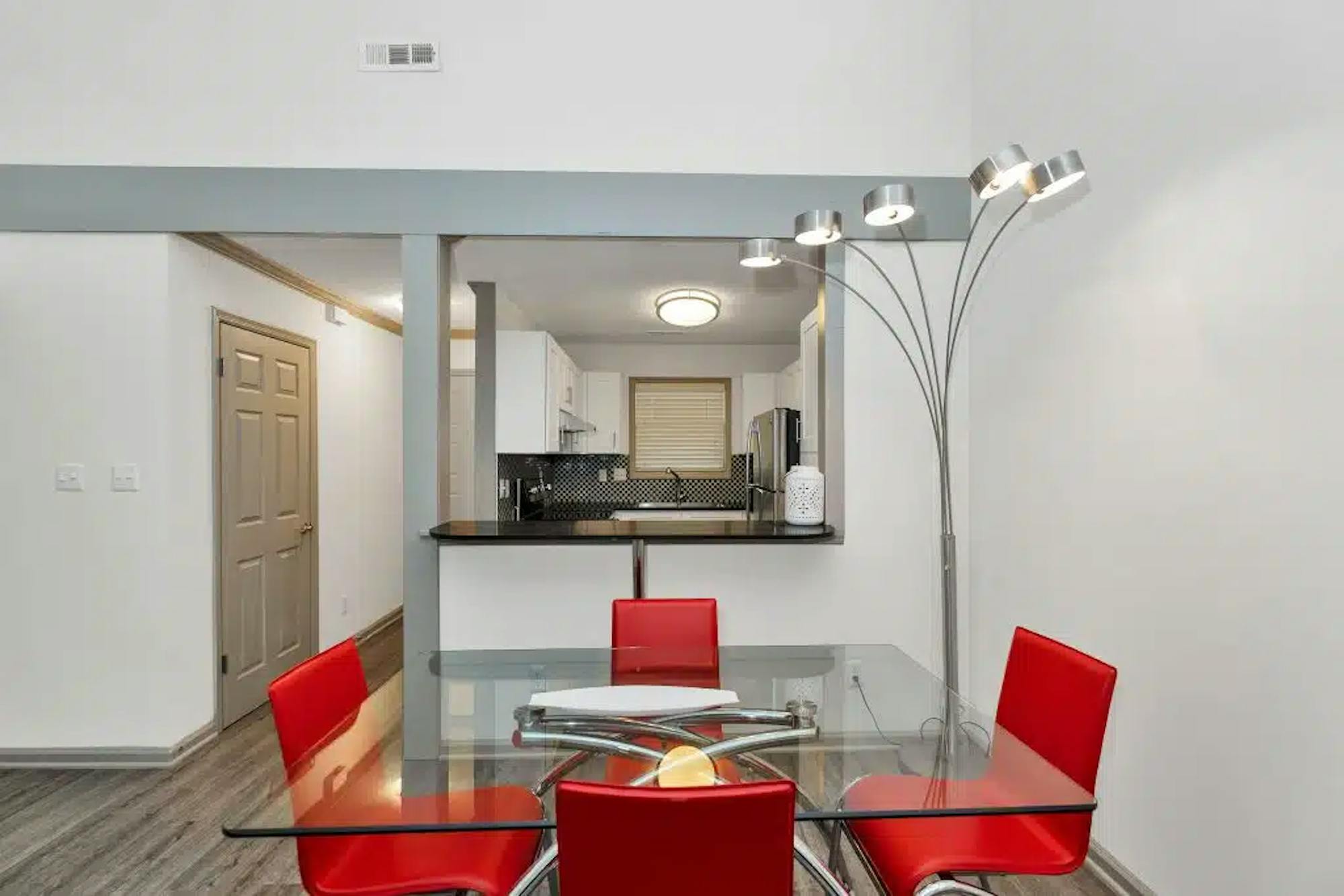
The self-check-in process
Self-check-in is a popular option because it gives guests more flexibility and means you don't need to be at the property when they arrive. You can provide access using a key lockbox, smart lock or keypad, allowing guests to enter any time after the specified check-in time.
This can make hosting easier, particularly if you manage multiple properties or can't always be available in person. However, you still need a reliable and secure way for guests to access the property. Lost keys, faulty lockboxes or unchanged access codes can create problems, and some guests may still prefer a more personal welcome.

Self-check-in safety considerations
While self-check-in can be convenient, you should still think carefully about security and guest safety. Consider the following:
Make sure your key lockbox or safe is reliable, professionally installed and police-approved where possible. Keep its location discreet and consider secure keyless entry such as smart locks or access codes that you change for every guest.
Not meeting guests in person means you won't see who arrives at the property, so clear house rules and good communication are especially important.
You won't be there to show guests around or demonstrate appliances, so provide clear instructions for anything that may be difficult to use or locate.
Give guests detailed check-in information before arrival and make sure they know how to contact you if they have any problems.
A welcome pack can also be useful for sharing house rules, Wi-Fi details, appliance instructions and recommendations for the local area.
In addition to Airbnb check-in safety considerations, it's important to make sure you also have the right insurance cover should something happen during your guest's stay. Consider whether the protection Airbnb provides is sufficient for your needs. You may also want to speak to your insurer, as some may not cover hosting as standard. These issues and more are discussed in depth on Pikl's Airbnb insurance page.

In-person check-in
Hosts don't have to manage an in-person check-in themselves. You can also use a co-host or property manager to welcome guests on your behalf.
If you're offering an in-person check-in, make the arrival time and meeting point clear and ask guests to let you know if their plans change. Where possible, keep communication open in case they are delayed.
An in-person check-in can be useful if you want to show guests around the property, explain how appliances work, or answer questions when they arrive.
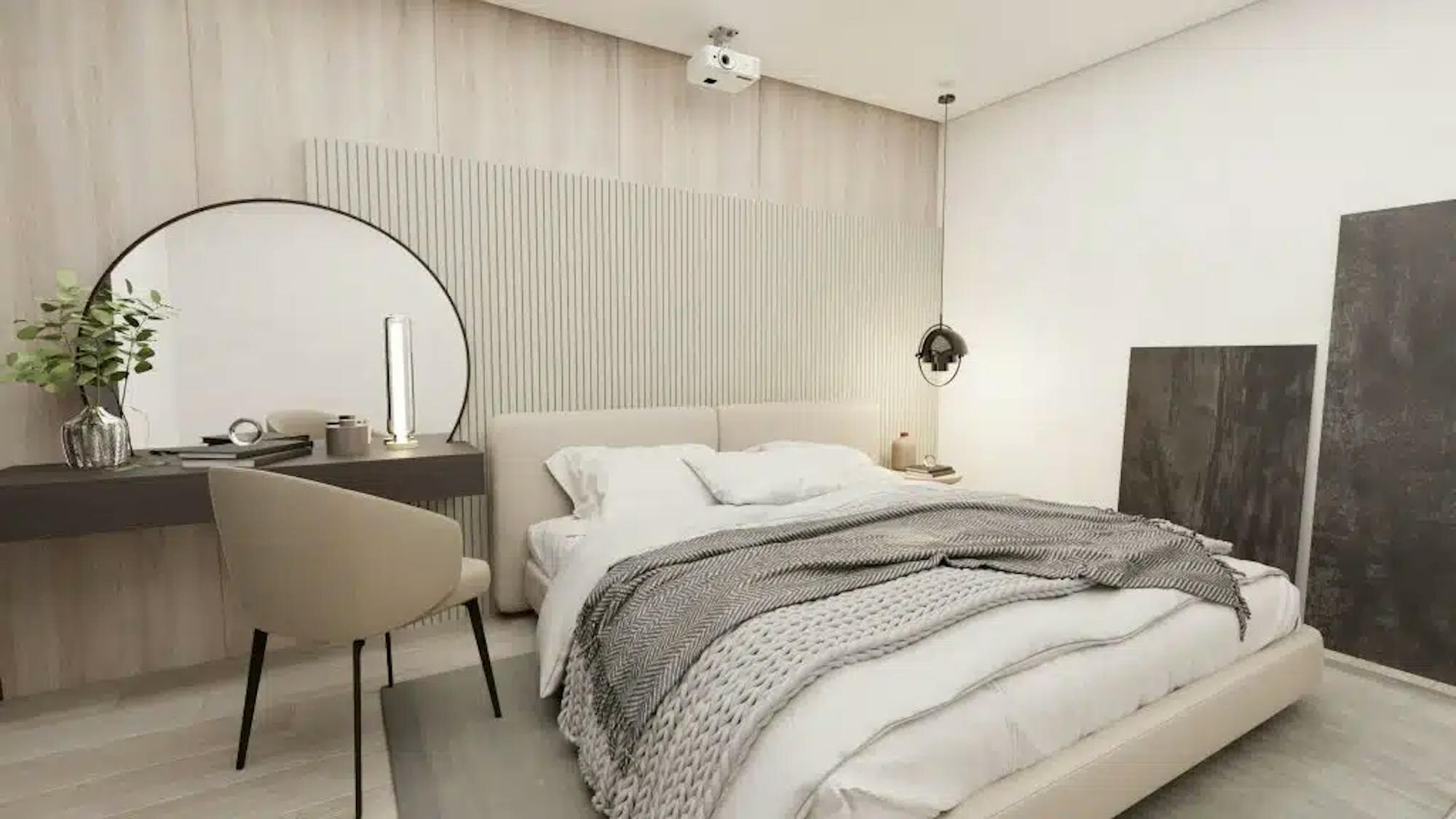
Airbnb check-out time instructions
When your guest's stay is almost over, ensure they know the check-out process. Keep things simple by sending clear instructions and, where useful, leaving a copy in the property.
Check-out time - be clear about when guests need to leave so you have enough time to prepare the property for the next booking.
Cleaning instructions - if you ask guests to complete any simple tasks before leaving, such as washing dishes or putting rubbish in the bin, make these expectations clear. Avoid asking guests to carry out extensive cleaning.
Locking up - explain how guests should secure the property when they leave, including where to leave or return keys and whether windows and doors need to be checked.
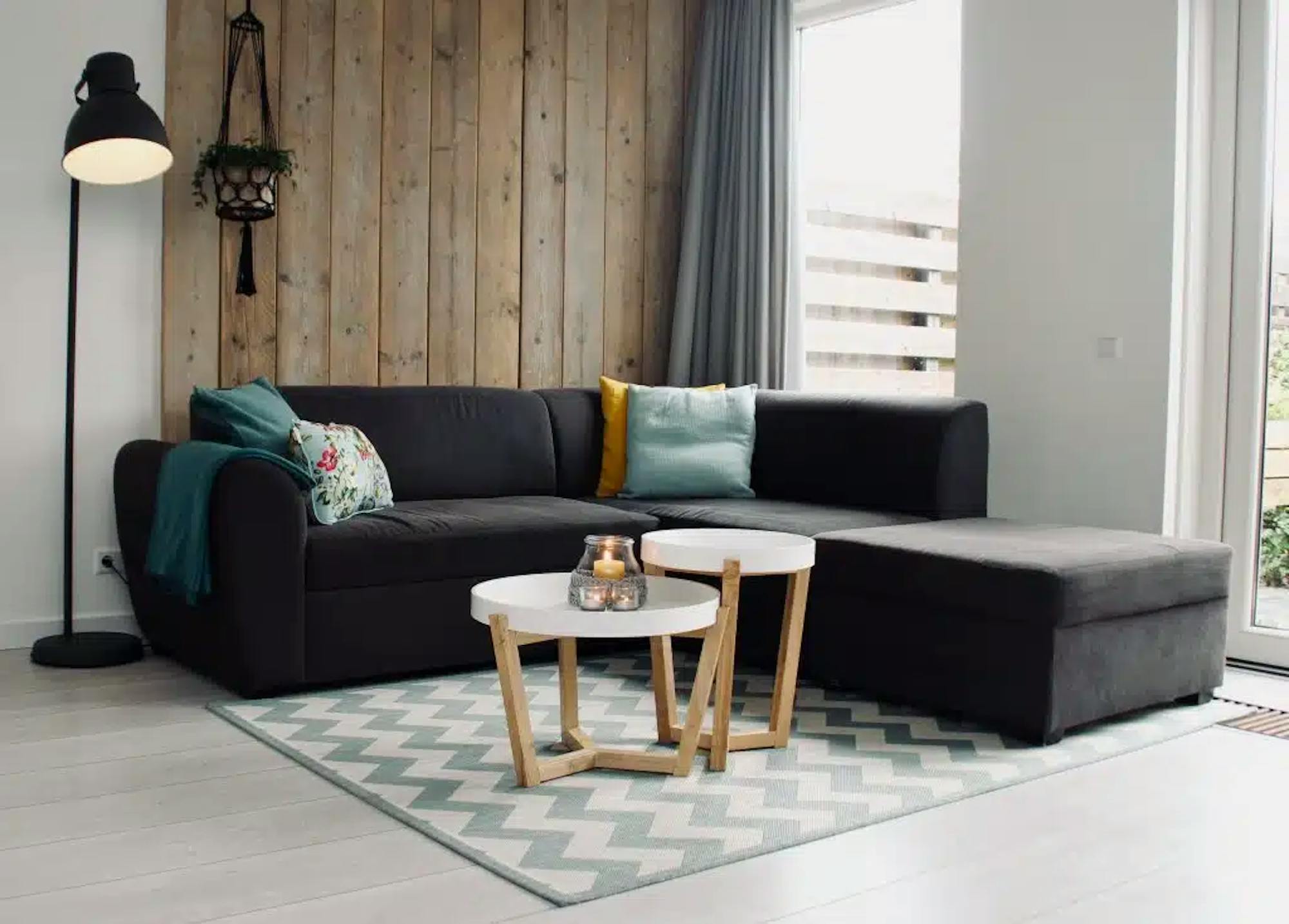
Top tips to go the extra mile
As with any form of travel, guests appreciate a check-in process that feels simple and welcoming. A few small touches can help make arrival easier:
Where your changeover schedule allows, you may choose to offer an earlier check-in on request.
Send check-in instructions in good time so guests are not searching for access details when they arrive.
Make sure the entrance, key safe or lock is easy to identify, particularly if the property could be difficult to find.
If guests are arriving late, consider leaving an outside light on or giving clear instructions about lighting and access.
Thank your guests for staying and let them know how to contact you if they need help getting into the property.
Related
Airbnb insurance for hosts
How to set up your business as an Airbnb Host in the UK
Airbnb insurance for hosts
A comprehensive Airbnb cleaning checklist


Get a quote in minutes
Compare insurers for a combined home and host insurance package.