How to optimise Airbnb pricing & maximise your occupancy rate
Learn how to optimise your Airbnb pricing strategy, increase your occupancy rate and attract more bookings with practical tips for hosts.
As much as running an Airbnb listing may appeal for its promise of potential part-time income, hosts may need to maintain a hands-on approach to ensure profit. Hosts may have to ensure they set their Airbnb prices competitively and have availability on the dates guests want to choose.
Aside from obvious differentiators in the quality of your listing such as furnishings, property type and location, an important factor a guest will use to select whether to stay with you or not is the price. Pricing is a constant balancing act, where you need to keep prices low enough to draw in bookings. Prices should however be high enough to guarantee you profit from them.
How do hosts manage this? We've created a full guide to optimising your Airbnb pricing and making money, whilst keeping guests clamouring to book a stay.
How does Airbnb pricing work?
Airbnb prices are determined by a few different factors, some of which are entirely out of a host's control. You need to understand them in order to price competitively. Otherwise you may just set a price you think is right but fail to realise that potential guests are seeing a higher figure. This is largely down to the following costs that Airbnb can add to a booking.
Airbnb service fees
When a guest books a stay, Airbnb itself will charge a service fee. This fee is designed to guarantee them 24/7 support. In essence, it's the 'cost of admission' for using the platform and is baked into every listing. You may want to take this into account when considering a listing price.
Cleaning fees
As a host, you can charge your guests a cleaning fee to recoup the costs of getting your property back to peak condition following a booking. This fee is an optional cost that will vary depending on your own requirements. Like the service fee, you'll need to factor this in when setting your price. Learn more about cleaning fees by checking out our Airbnb cleaning guide.
Security deposits
Airbnb recently updated its security deposit policy. Most hosts can no longer set a deposit and instead will need to submit a claim to Airbnb's resolution centre when something goes wrong. There are some exceptions to this however, so here's our guide to security deposits for your perusal.
When it comes to making a claim, hosts may want to consider whether they have the appropriate insurance cover for their needs. Check out Pikl's Airbnb insurance page for more information.
Local taxes and VAT
The country you're listing in will have laws and regulations around short-stay properties and in some instances, Airbnb specifically. The UK, for example, has VAT requirements and an array of laws around short-stays such as the 'rent-a-room' relief scheme. Have a look at Airbnb's own guide on taxes and Airbnb to find out more.
How to set the price
Setting a price is simple. Go to your Calendar, select the relevant listing, then choose Price settings and Price per night. Here, you can set a default nightly price and access other pricing options, including long-stay, early-bird and last-minute discounts.
You can also choose to use Airbnb Smart Pricing, the platform’s automated pricing tool. Smart Pricing adjusts your nightly rate based on demand and other factors relating to your listing and local area, within a minimum and maximum price range that you set.

The pricing challenge
The real challenge for hosts becomes balancing the above costs with what you set your own price at.
An easy strategy to mitigate this is to set local searches up and regularly scour listings of a similar size and scope in your own town or city. Remember that pricing will vary depending on property type. You may charge more for a whole home than a shared apartment, so only check prices against properties you think you genuinely compete with.
Obviously, this is not the full answer to your pricing strategy. You can't simply compare against similar properties and hope guests choose yours, as that ultimately encourages a 'race to the bottom' mentality whereby you'll lower your prices too much to try to remain competitive.
Instead, setting a competitive price is all about nuance and strategy. Hosts that plan out their pricing structure can focus on either increasing their booking volume or raising their overall revenue. Here's how to do both of these at the same time.

Setting a competitive Airbnb pricing strategy
There are multiple factors to consider when creating a pricing strategy. The following are some of the key areas.
Consider the value of your own listing
Have you got lots of 5-star reviews, or are you a new host just getting started? What facilities and amenities will you offer your guests? Use this to build a picture of what competition you'll have and use this to then springboard your research.
Research local competitors and listings
Include hotel rooms and other non-Airbnb listings in this research as they'll still be competing for guest attention. You can also explore Airbnb pricing tools or Airbnb Smart Pricing at this stage.
Assess your total costs
In addition to more immediate costs such as cleaning and service fees, you'll also need to think about ongoing costs such as insurance, taxes, and maintenance. Pikl's Airbnb calculator guide provides a visual tool to help you think about this.
Review your pricing
Review and adjust pricing depending on periods of peak demand. Consider dropping pricing during low seasons or using Airbnb's promotion feature to enable a discount for longer stays.
Create early value as a new host
If you're new to Airbnb, you need to accept that your listing is likely going to need some attention before it starts to generate lots of bookings. You face a challenge: how can you set a price that reflects your listing fairly but is enticing enough to overcome the limitations of being new to the platform?
Airbnb can support you as a host by allowing new listings to set a limited-time introductory 20% discount which is applied on the first three bookings. Once you've had guests stay, your review score should climb and you can start adjusting prices.
Set your preferred level of dynamic pricing
Airbnb gives hosts several ways to adjust their pricing depending on demand and the type of bookings they want to attract. You can set different prices for weekends, or use Airbnb’s Smart Pricing tool to automatically adjust your nightly rate based on factors such as demand. With Smart Pricing, you set a minimum and maximum price, while still retaining the option to override prices for individual dates.
Hosts who prefer more control can also adjust prices manually, for example in response to local events, seasonal demand or competitor pricing. This can be useful if you want a more hands-on pricing strategy, although it requires more regular monitoring.
At the other end of the scale, some hosts choose to encourage longer bookings by offering discounts for extended stays. Airbnb allows hosts to set weekly and monthly discounts, which can help attract guests looking for longer stays and may be useful if you plan to be away from your property for an extended period.
Consider your amenities and offering
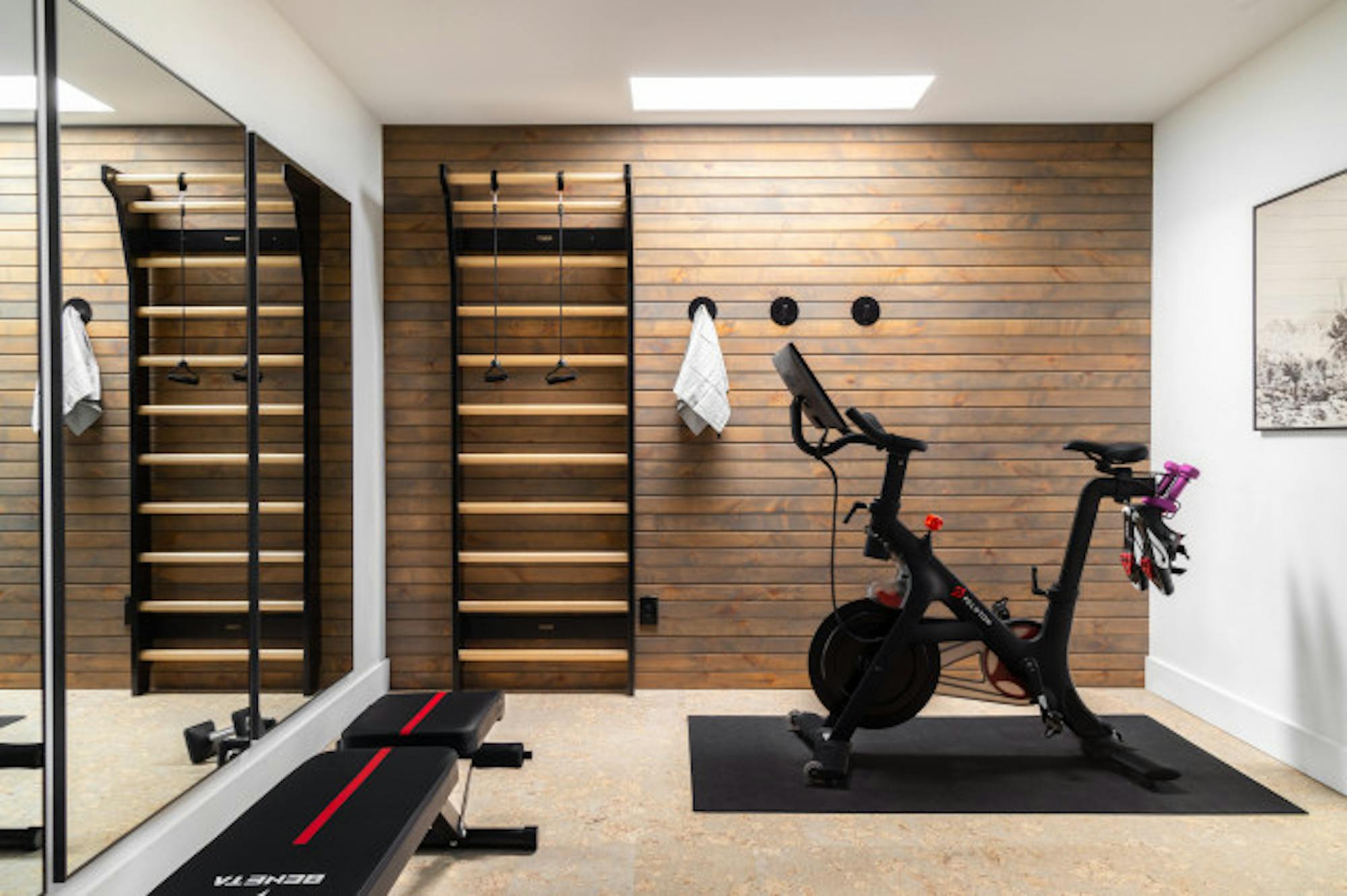
Properties with special facilities may be able to charge an additional premium compared to those that don't. If you've got a hot tub, for example, you may charge more than competitors who don't, even during low season. Some guests may specifically search for these types of special features and expect to pay a bit more.

Maximise your Airbnb occupancy rate for more bookings
Your occupancy rate is what ultimately determines your success. The more bookings you have, the more revenue you'll receive. However, you have to nail your pricing strategy first, as a fully-booked listing that isn't making you profit is hardly worthwhile, which is why we've covered the pricing part before occupancy.
Occupancy doesn't have to mean volume of bookings. If your property is booked for a month by one guest, that's a higher rate than a competitor who has only secured two weekend-only stays for that same month.
With that in mind, let's take a look at some tips for increasing your occupancy rates, which when combined with a smarter pricing structure, may help to improve your overall hosting income.
Be a responsive host
Whenever a guest enquires about your listing, make sure you reply as soon as you can. Hosts that respond quickly to their guests may receive more bookings and better reviews.
Price competitively at peak demand
Pricing strategically around demand can help improve occupancy without relying on a single fixed nightly rate. That might mean charging more during busy weekends, holidays or local events, while reducing rates during quieter periods to make your listing more competitive.
Whether you adjust prices manually or use a dynamic pricing tool, the goal is the same: respond to changes in demand and find a balance between nightly rate and occupancy.

Set long-stay discounts
Securing a long-term booking generally means more guarantees over income and visibility over your earnings, so it may be another opportunity to consider when relevant, such as during quieter off-peak periods. To do so, consider setting a discount for long stays so that guests are encouraged to stay for longer.
Stay on top of availability
Setting availability is key to maximising occupancy rates. If you need to cancel because of unexpected circumstances, you may end up out of pocket. Instead, make sure you are always updating your availability so guests can only book when you're ready to host.

Think about your cancellation policy
Guests may prefer a more flexible cancellation policy that allows them to book with fewer restrictions if they change their mind. Setting a less strict cancellation policy may therefore attract more booking volume. At the same time, this may increase cancellations, however. Various factors may influence your appetite to risk, such as the popularity of your listing location and the ease with which a cancelled booking can be refilled.
Key takeaway
A successful Airbnb pricing strategy is about finding the right balance between nightly rates, occupancy and profitability. By understanding your costs, monitoring demand and adjusting your approach when needed, you can aim to attract more bookings without sacrificing the value of each stay.
Related
Airbnb insurance for hosts
Use these tactics for advertising on Airbnb as a host
Airbnb insurance for hosts
Buying a property to use as an Airbnb: Key things to consider
Get a quote in minutes
Compare insurers for a combined home and host insurance package.