Holiday let cleaning guide with downloadable changeover template
Create a holiday let cleaning checklist for faster changeovers. Cover cleaning, restocking, presentation and damage checks to keep every guest turnover consistent.
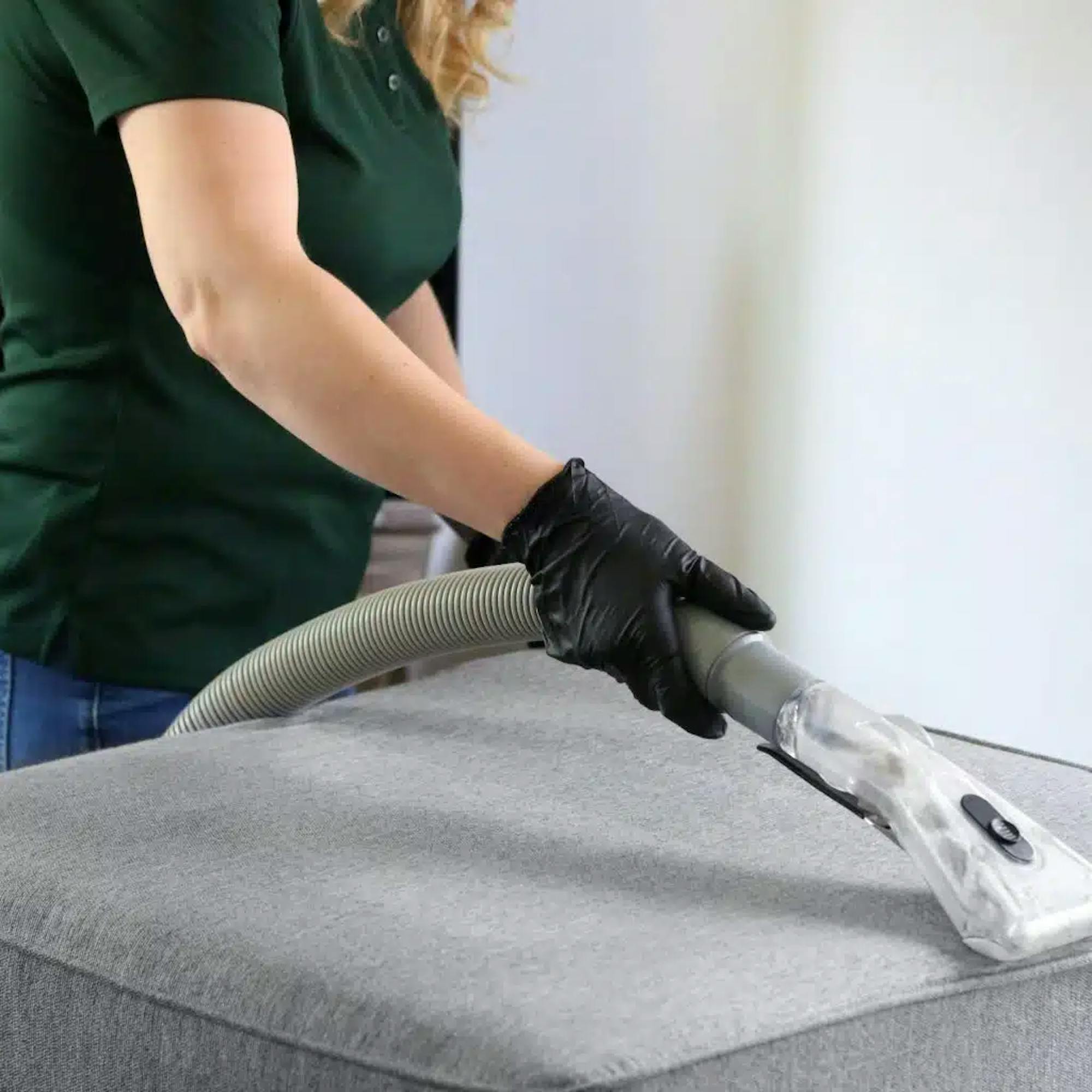
Holiday let changeovers can move fast. With tasks such as cleaning, restocking and organisation to consider, this crucial period may become chaotic without the right process in place. An effective holiday let cleaning checklist can help ensure every guest turnover is consistent, quick and guest-ready. In this guide, we will discuss the key areas for cleaning, presentation and damage checks to enable you to create a personalised plan.
What should I include in a holiday let cleaning checklist?
The goals of each holiday let owner may be different depending on their needs and situation. In general, you may want to think about:
Areas of the property you want to clean.
Specific cleaning tasks.
Timescales for completing each area so that you can plan in advance.
What to put in a welcome pack.
Quality control and damage checks.
Presenting the property so that it is attractive to the next guest.
Supplies and inventory checks.
The order in which you want to complete certain tasks.
Once you have created your checklist, printing it out and ticking off each task as you go can be a useful way of making sure that you are on the right track. Making a note of the time it takes to complete a changeover can also be a good way of tracking how efficient you are.
Holiday let changeover checklist (with printable template)
If you have a quick changeover period, consider completing these tasks in the order of priority below. We have included ballpark time estimates to give you an approximate idea of how much time you may need. Use our downloadable template if you would prefer to print this and tick off each task you complete instead.
Bedrooms
Ventilate: open windows and assess odours.
Safety and damage sweep: photograph stains, chips or anything broken. Note missing items. Bag and label lost property.
Strip bed: remove linen to your laundry bag. Check around your bed. Inspect and air mattress or protector, including a bedbug check.
High-to-low dust: target ceilings and cobwebs, headboard, lampshades, frames, vents and skirtings.
Surfaces and touchpoints: wipe and disinfect bedside tables, switches and handles. Polish wood if needed.
Storage: open drawers and wardrobes. Dust or vacuum interiors. Spot-clean, align hangers and remove clutter.
Soft furnishings: lint-roll cushions and throws. Check for tears and snags.
Windows and mirrors: clean windowsills and make sure any glass and mirrors are streak-free.
Rubbish: clear all waste, empty and reline bins, and sort recycling.
Floors: vacuum including edges and under the bed; sweep and mop hard floors.
Make the bed: fit clean protector; dress with ironed, stain-free sheets; use hotel corners; plump pillows and duvet; stage throws and cushions.
Towels and linen: remove used items; place fresh sets or stage in bathroom.
Amenities and function check: count hangers, spare pillows and blankets. Test lamps, bulbs and any alarms. Set blinds and curtains. Configure your heating or air conditioning to a lower setting if relevant.
Quality control: conduct an eye-level scan. Run a clean cloth over key surfaces. Remove any fingerprints or hairs. Confirm the windows are locked.
Typical total for a standard double bedroom: 20-35 minutes per bedroom.
Bathrooms
Ventilate: if there is no window, switch on the extractor fan.
Safety and damage sweep: photograph chips, loose tiles, lifted silicone, mould patches and rust. Note missing items. Bag and label any lost property.
Rubbish: empty the bins, reline them and sort recycling.
High-to-low dust: clear ceilings, cobwebs, vents, light fittings and skirtings.
Toilet: brush the bowl and treat under the rim. Wipe the seat, lid, flush plate, handle, hinges and base. Finish with disinfectant.
Toilet brush: rinse the brush, disinfect the holder and handle and return it dry.
Bath or shower: remove soap scum, rinse well and disinfect the tub or tray. Clean screens and doors, detail grout, corners, seals and plugholes. Leave everything dry to prevent mould.
Drains and limescale: lift out hair, treat odours and descale taps, shower head and screen edges as needed.
Sink: scrub the bowl, polish taps and disinfect basin.
Mirrors and glass: clean to a streak-free finish.
Storage: open cabinets and drawers, wipe interiors and handles and realign items.
Restock: replace toilet rolls, soaps, shampoos and shower gels if provided. Check spare bin liners and hygiene bags.
Towels and linen: remove used sets and stage fresh bath sheet, hand towel and bath mat, plus a spare if promised.
Windows and sills: clean, dry and confirm trickle vents are clear.
Floors: vacuum, sweep and mop the hard floor.
Function check: test fan, lights, heater, shaver socket, plugs and the door lock.
Quality control: make an eye-level scan. Wipe any fingerprints, hairs and watermarks. Confirm taps are off and windows are locked.
Typical total for a standard family bathroom: 20-30 minutes.
Kitchen
Ventilate: open the windows and get fresh air moving.
Safety and damage sweep: photograph scratches on worktops, cracked glass, blown bulbs and any appliance faults. Note missing items. Bag and label lost property.
Rubbish: empty bins, reline and sort recycling.
High-to-low dust: dust the tops of cupboards, lights, extractor and skirtings.
Surfaces and hobs: degrease, wipe and disinfect. Polish stainless steel.
Small appliances: clean the microwave plate and interior. Empty crumbs from the toaster. Rinse kettle and coffee maker.
Fridge and freezer: remove food. Wipe and disinfect shelves and seals.
Dishwasher or washing machine: check for items, clean filters and run a short rinse if musty.
Sink and taps: descale, disinfect and clear the drain catcher.
Cabinets and drawers: open, wipe interiors and handles and realign inventory.
Cookware and crockery: spot-check for marks or chips and return clean pieces to the right places.
Oven: check trays, remove debris and wipe obvious spills.
Amenities and restock: set out welcome items and top up tea, coffee and basics if promised.
Floors: vacuum edges, then sweep and mop.
Function check: test extractor, hob, oven, lights and detectors.
Quality control: confirm a fresh smell, clear surfaces and locked windows.
Typical total for a standard kitchen: 30-50 minutes.
Living room
Ventilate: open the windows.
Safety and damage sweep: photograph scratches, cracks, broken ornaments and loose fittings. Note missing items. Bag and label any lost property.
Rubbish: remove waste and reline bins.
High-to-low dust: ceilings, light fittings, frames and skirtings.
Surfaces and touchpoints: wipe tables, switches, handles and banisters.
Soft furnishings: lift cushions, remove crumbs and lint-roll sofas and throws. Check the sofa bed if fitted.
Windows and mirrors: clean to a streak-free finish.
Screens and tech: wipe the television and arrange remotes.
Storage: open cabinets and drawers and wipe interiors.
Staging: return books, games and pillows neatly.
Floors: vacuum or sweep and mop as appropriate.
Function check: test lamps and sockets and confirm the Wi-Fi card is visible. Check electronic devices such as televisions.
Quality control: slow scan for fingerprints, hairs and missed marks.
Typical total for a standard living room: 15-25 minutes.
Exterior
Rubbish: remove litter, food packets and cigarette butts.
Lost property: collect and store safely.
Entrances and paths: sweep and check lighting.
Furniture: stand chairs upright, wipe tables and straighten cushions.
Outbuildings: check locks, note damage and confirm inventory.
Garden tidy: quick lift of leaves and obvious weeds.
Occasional tasks: note if grass needs cutting, weeds need treatment or the barbecue needs a deep clean.
Quality control: final walk-round for hazards and trip risks.
Typical total for a standard exterior refresh: 10-20 minutes.
Damage and insurance checklist
Utilise a consistent process when inspecting the property. Use this approach so nothing is missed:
Keep an inventory: log each item and area. Record the date and take photos. Note the value of key items for future claims.
Log details: record the condition of each section of the property on your checklist. For damaged or missing items, note the date, time and the lead guest's name. Photograph damage for a before and after comparison.
Assess the property condition: decide if the property is fit for arrival or if repairs can be completed in time.
Contact the guest when relevant: for minor issues, consider resolving the matter directly with the guest. Insurance claims may raise premiums.
Utilities and safety readings: record meter readings, boiler pressure, thermostat settings, carbon monoxide and smoke alarm test logs, and hot tub or pool chemistry logs. Note anything unusual.
Keys and locks: track keys and cards. Note lost keys and any lock changes. Missing keys may require new locks.
Pest control: watch for signs of infestation. Leftover rubbish can cause costly issues that require fumigation. Confirm if this is covered by your insurer.
Claiming on your insurance: notify your provider within the timeline outlined in your policy, which may differ between insurers. Recall stolen or damaged item values from your inventory so that you have these if requested. For theft or criminal damage, your insurer may ask for a police crime reference number and proof of ownership. Cover can vary between different holiday let providers.
Issues may be avoided with sensible house rules, risk assessments and preventative steps. Claims are sometimes unavoidable, however. Pikl is a specialist insurer for holiday lets. Visit our holiday let insurance page to learn more.
Deep cleaning checklist
Deep cleaning should be focused on tackling those areas of the house that don't get regular attention. You may not have enough time to do this type of cleaning on a regular basis and may want to focus on doing these types of tasks during off-peak season. Here are some key areas you may want to consider:
Decluttering: over time, items can accumulate or the layout of the property can start to change. Consider whether decluttering or changing the property layout could enhance the property's presentation.
Dusting: certain areas will accumulate dust over time and may be missed during a regular checkout. Items stacked on top of each other and shelves not regularly touched may be areas that require attention.
Drains: both outside and internal drains can get blocked fairly easily. This is especially true when you have less control over what guests put in them. If any of your drains don't clear as efficiently as they used to, then consider using your scheduled deep cleans to unblock them.
Windows: clean windows will make your property stand out. Using a window cleaning solution and cleaning any dirt or grime with window wipers will make them look clearer and more presentable.
Clothes and dishwashing machines: even if you check these items regularly, the pipes and drains for these devices can clog up or start to smell. Consider utilising cleaning tablets every now and then.
Ovens: ovens can be particularly difficult to clean as they are hard to get inside. Burnt stains are also very difficult to remove without specialist equipment, so consider setting aside some occasional time to attend to this.
Chimney: if you have a fireplace, make sure that the chimney gets an annual inspection and sweep to ensure safety and functionality.
Health and safety cleaning checklist
Conducting a general health and safety assessment of your property is a sensible way to identify risks and keep guests, cleaners and other visitors safe. Depending on how your holiday let is operated, there may also be legal and safety duties to comply with, including fire safety requirements and relevant risk assessments.
It is not always necessary to hire someone to do this, however, and there are plenty of resources online to assist you. The Health and Safety Executive has guidance that you may find useful when it comes to cleaning. When conducting a health and safety cleaning assessment, you should:
Identify hazards: identify potential cleaning hazards such as liquids that could cause slips or ladders that could cause you to fall when cleaning windows.
Assess the risks: think about who might be affected, such as guests or a hired cleaner, and what relevant action needs to be taken to mitigate any risks.
Take action: make sure any actions you take are proportionate, reasonable and can be undertaken without causing harm or injury. Actions could be as simple as locking hazardous substances away safely, ensuring adequate ventilation and eliminating slip risks as a result of cleaning surfaces.
Any assessments should be conducted in relation to your entire property and not just in relation to cleaning. A thorough assessment of your property may also help you manage specific risks during the changeover period, reduce your exposure to guest liability and make your property safer. Have a look at our holiday let regulations article to get a much more detailed breakdown on how to do this.
Welcome pack checklist
A welcome pack should be adjusted based on your target guest. With that in mind, what should be included in one may vary according to your requirements. Some items you may want to consider include:
Repeat bookings: you may want to consider offering incentives in your welcome pack for guests who re-book with you. We cover this in our holiday let advertising guide.
Essential information: include key information such as host contact information, Wi-Fi login details and instructions for appliances.
Emergency details: information such as fire exits, who to contact and what to do in the event of an emergency is vitally important. Make sure that these details are clearly displayed.
Pre-check-out instructions: to make the check-out process go more smoothly, consider including instructions for what guests are expected to do prior to leaving. Include instructions for key areas such as tidying the property, emptying the bins and stripping down bedsheets.
Local transport information: local bus routes, nearest train stations and the numbers of local taxi firms are all useful tips that are likely to be appreciated by guests.
Nearby attractions: make your guest feel like a local and include information about lesser-known nearby attractions as well as key tourist hotspots.
House rules: as we discuss in our house rules for holiday lets guide, setting down rules and boundaries is important and can prevent issues from arising when followed. Make sure that they are sensible and proportionate or they may not be adhered to.
Snacks, treats and gifts: beyond the basics, such as coffee, tea, biscuits and sugar, add a little wow factor. Think local chocolates, a small jar of honey or jam, a couple of craft soft drinks and a tiny keepsake like a postcard or fridge magnet. Tailor the mix to your target guests and budget.
Presentation checklist
Once the property has been cleaned, checked over and a welcome pack prepared, you should consider how best to prepare it for the next guest. A clean but untidy property can still leave a bad impression, so it is important to focus on making the presentation as impressive as possible. Key areas to consider include:
Listing photos: a property that looks very different to the photos that the guest saw when booking may raise eyebrows or negative reviews. Try to remain as faithful to these as possible.
Centrepiece items: create a great first impression by placing a single attention-grabbing item as guests walk in. Examples of how to do this range from colourful bouquets and a neatly arranged fruit bowl to bright ornaments. Consider refreshing focal presentation ideas for seasonality, such as empty pumpkins for Autumn and tinsel for Christmas.
Air and scents: check to make sure that there are not any overbearing, stale or chemical smells lingering around. Consider opening windows or masking with a different scent if required.
Temperature: make sure the temperature is set at a comfortable level for your guests.
Beds and towels: we covered these areas in our checklist for bedrooms and bathrooms. When scanning the area in terms of presentation, make sure everything is placed and folded correctly with no visible creases or stains.
Light and blinds: turn on key lamps, set warm lighting and align blinds or curtains evenly.
Final walk-through: straighten chairs, align rugs, empty bins that have been missed and take quick photos for records.
Holiday let changeover FAQs
How much does a holiday let changeover cost?
The cost associated with a holiday let changeover is variable and will depend on numerous factors such as your budget, property type and the type of guest you are trying to attract. Factors to consider when weighing up costs include:
Equipment: consider what equipment has multiple uses to avoid duplicating costs. An all-purpose cleaner or homemade solution that is not abrasive could be used for multiple surfaces, for example.
Maintenance: make sure that both your property and your cleaning equipment are well maintained. Not doing so could add additional costs if something stops working or breaks down.
Cleaning services: if employing a cleaner, this will add a significantly higher cost than if you did this activity yourself.
Affordability: you will need to make sure that your cleaning costs are appropriate to the budget you have set.
Target audience: your target audience could dictate the size of your changeover budget to some extent. Wealthier guests may expect pricier welcome packs, for example. Guests booking a more 'budget' property may be happy with a clean and basic holiday home setup. If you are just getting started, check out our guide on running a holiday let.
For a more detailed breakdown of costs, head over to our holiday let running costs guide.
What kind of cleaning equipment do I need for a changeover?
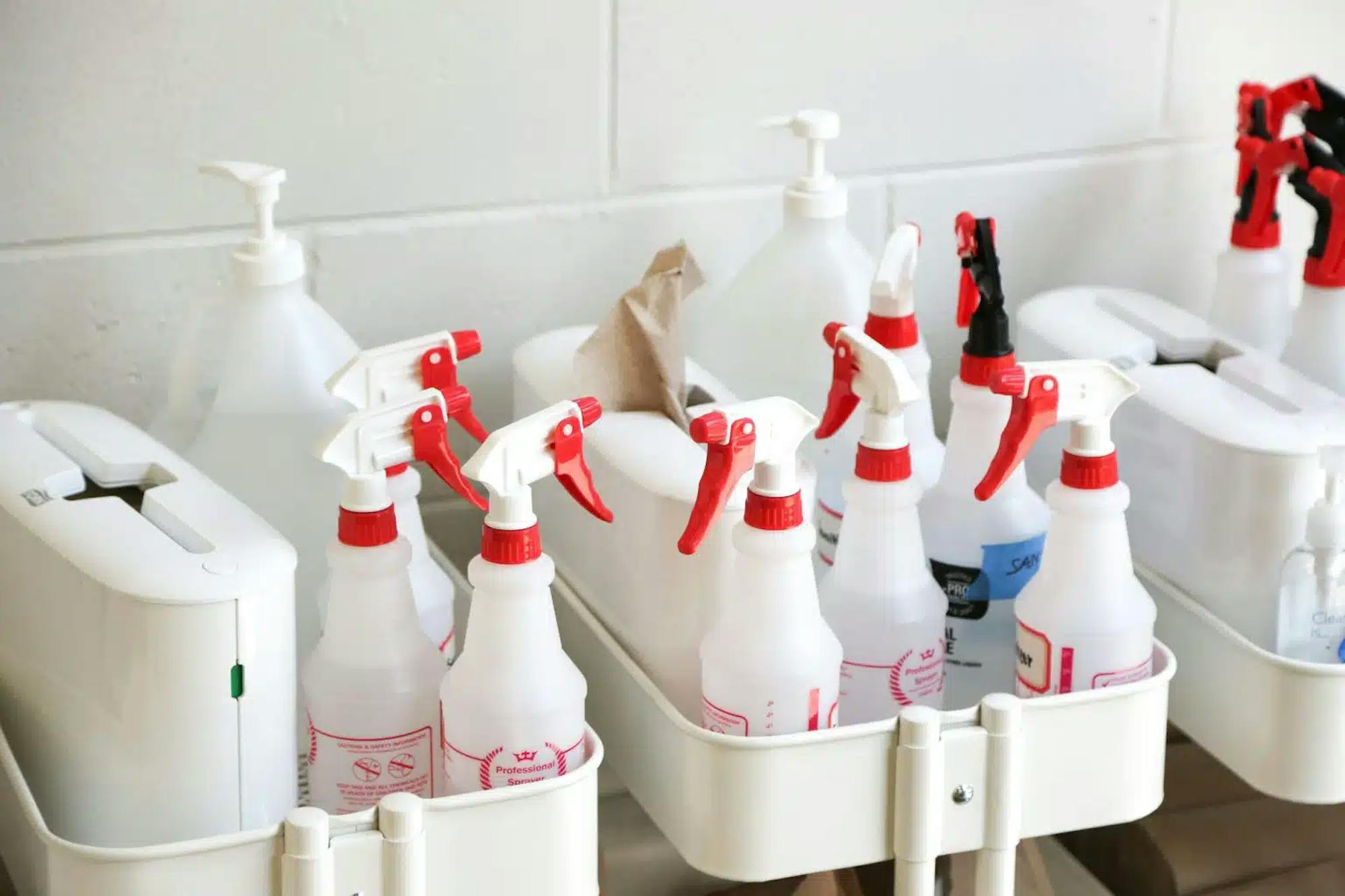
Each property is unique. Depending on what needs to be cleaned, your equipment needs could be different. Generally speaking, however, you may want to consider acquiring cleaning equipment for these key areas:
Vacuum cleaners to hoover up dust and debris off surfaces.
A dustpan and brush to remove debris from areas not easily tackled with a vacuum.
Dusters to remove dust from surfaces, particularly hard-to-reach areas.
Cloths to wipe down surfaces.
An all-purpose cleaning solution to clean surfaces as you wipe.
Specific cleaning solutions for particular tasks. Glass, limescale, mould and carpet stains are common examples of areas that may require a more specific cleaning fluid for the job.
A mop for wiping down floors.
A brush and bleach solution, or a suitable alternative, for any toilets.
A box or storage area to put your equipment in.
Cleaning gloves.
Masks for when ventilation is inadequate.
Protective eyewear when using hazardous substances.
Some materials in your property, such as furniture and certain types of tiles, may be sensitive to certain equipment or liquids. Purchase equipment specific to certain tasks where relevant.
Should I hire a cleaning service?
The decision to hire a cleaner is an entirely personal one. Questions you may want to ask yourself are:
Can you afford it?
Do you have the time to clean yourself?
What are the pros and cons of hiring a cleaner versus doing this yourself?
The main benefit of hiring a cleaner is that this type of activity is time-consuming and hiring a cleaner frees up considerable time. There are some important considerations you should bear in mind, however:
Consistency: if you want to provide a certain level of consistency for all of your guests, you may want to make sure that your cleaner has a robust cleaning process. Contracting this work out means that you have less day-to-day visibility of how this work is carried out.
Damage checks: properties are expensive assets and it is vital that inventory and damage checks are carried out thoroughly. Make sure that you are comfortable with your cleaner's process, and provide them with a holiday let inventory checklist if they are going to carry out checks for damage or missing items.
Legal and liability issues: hiring someone to carry out work can sometimes bring up disputes, such as injury issues. Make sure that your health and safety policy is robust. In addition, check that your insurance adequately covers you for issues like this.
How long does a changeover take?
How long it takes may depend on factors such as the size of your property, how quick you or your cleaners are at cleaning, and any extra tasks you may want to conduct such as inventory and damage checks. With the room time estimates we have given, it may take just over 3 hours minimum for an average three-bed house. Add in other tasks and you could be looking at over four hours per standard property. Consider crafting your own personalised checklist and make a note of times as you start and complete a changeover. Having an estimated time for regular changeovers and what to prioritise for tasks where time is limited may mean you are better prepared.
As insurance specialists, we know that having the right cover is important. If you have any insurance-specific questions, contact a member of the Pikl team.
Related
Holiday home insurance
Key UK holiday let rules and regulations
Holiday home insurance
Holiday let business costs & how you may reduce them


Get a quote in minutes
Compare insurers for a combined home and host insurance package.