How to start a holiday let business and new owner mistakes
A general guide on how to start a holiday let business, including key areas to plan for, regulations, and getting your property ready for guests.

There is a lot to remember if you want to start a holiday let business and it is easy to get things wrong. On top of that, there can be legal penalties if you ignore regulations that can sometimes differ across the UK. Once you are set up, running a holiday let may seem like a daunting task when considering all of the costs and the amount of effort it may require to get to where you want. In this article, we have broken down some of the key areas to focus on when starting out and where to focus on when running your holiday let day to day. At the end, we cover some potential areas that new holiday let owners may miss.
How to set up your holiday let business
At the start of your holiday let journey there may be a lot of time spent researching, working out what is possible to achieve, and understanding your potential obligations. This can be an important phase to get right, so do not feel obligated to rush. Here are some of the key areas to consider to help you get set up and on your way.
Assessing your set up and running costs
Your running and set up costs will arguably be the biggest factors affecting how much profit you make. To get an accurate idea, you can:
Research articles discussing the general costs involved: our holiday let costs guide is a good place to get you started.
Browse retail websites and get some quotes: websites for items such as cleaning equipment and furnishings can give you an idea regarding some costs and what you may need. For services like insurance or a property manager, get as many quotes as you can to compare the best deals.
Set a budget: list all of the likely costs against what you can afford. It may be better to overestimate your costs to start with so that you are not caught out by surprise. The Money Helper website can help you get started with setting up a budget if you have not done this before.
Conducting market research
An easier way to conduct market research at the beginning could be to use one of the bigger booking websites such as Airbnb and VRBO and look at popular listings. To get yourself off to a good start, try to:
Compare listings in your area: different regions of the country will attract different types of demand and listing prices. Within the area, try to find listing locations that are comparative to yours. For example, a beach front property in your area may attract a higher listing price than yours if your house is out of town.
Be specific: do a like for like listing comparison as far as possible. Larger booking websites may allow you to refine results based on things such as property type and the number of rooms.
Look for USPs: are there any unique listings that stand out in your area? Special features such as hot tubs and pools are often popular with guests and may attract a higher listing price.
Read reviews: pay special attention to the reviews for a listing, with the more popular ones typically attracting a larger volume of positive feedback. What are the guests saying? What features do guests like and dislike? Reviews can provide a useful insight into what guests want.
Take a note of pricing: listings will naturally command different prices for a number of reasons. Researching prices in your area can give you an idea about how much you may be able to charge. Think about the type of guest a listing is trying to attract, or selling points such as special features or location that may allow the owner to charge more.
Identifying your target audience
Now that you have done some market research for your area, you should have a good idea of the competition. Before you create a listing, you will need to think about the kind of guests you want to attract. Think about areas such as the age range of guests you want to target, their potential income and what kind of experience you want them to have. For example, a countryside cottage could be a perfect place for a romantic getaway. On the other hand, a guest looking for a room listing in the city may be looking for a more basic experience at a cheaper price. Competing listings in your area may help give you some ideas regarding what kind of guests visit your location.
Once you have an idea as to what kind of guests you are going to attract, this should inform areas such as how you write your listing description, pricing, welcome packs and how you furnish the property. Put yourself in the mind of your potential guests and ask yourself what experience they would expect.

Assessing how much you could earn
After doing some initial research, you might now be asking yourself: 'How much can I earn?' Your actual income will depend on a number of factors, but a simple estimate can give you a useful starting point:
Work out your average monthly costs.
Set a listing price. This can be based on factors such as the type of guest, your property, competition and seasonality.
Identify how many nights you would ideally like to have your property rented out during the year. Be realistic based on your area. Being cautious may be best to start with.
Multiply your listing price by the number of nights you expect the property to be rented out to estimate your potential revenue.
Subtract your estimated costs from your projected revenue to get a rough idea of how much you may have left after costs have been deducted.
This is only a starting point. In practice, factors such as changing nightly rates, occupancy levels and the length of individual stays can all affect how much you earn. Working this out accurately may be difficult, especially if this is your first time. An initial estimate gives you something to aim for and refine over time.
For more information, check out our holiday let profit calculator tool and guide.
Conducting a risk assessment
Making sure that your property is safe is both a legal requirement and one that may protect you against damages if your guest gets injured or a neighbouring property is damaged. When making an assessment, think about:
What are the main risks for potential issues such as fire, trips and falls?
Where risks are identified, can you implement measures to eliminate or significantly reduce the chances of issues occurring?
Can any safety reduction measures be carried out safely?
Common areas you may wish to consider include:
High risk areas: fireplaces, pools and jacuzzis are attractive features but they also pose significant risks if used incorrectly. Simple measures such as signage, smoke alarms or suitable flooring may help to mitigate some risk.
Kitchen use: kitchens are high contact areas that are likely to be used regularly. Instructions for use of items may be helpful.
Appliances: regularly test that your appliances work. A faulty appliance may cause damage or injury if it is not working properly.
Fire safety: fire is often one of the biggest risks for holiday lets. Point your guests towards the nearest fire exits, include information about where to go in the event of an emergency, and provide relevant equipment such as fire extinguishers if needed.
Conducting a thorough risk assessment is important, but the requirements may vary depending on where your property is located. Check the relevant guidance for your part of the UK to make sure you understand what applies.
Furnishing your holiday home
Think back to the type of guest you are trying to attract. For example, a romantic getaway in a rural location may benefit from a countryside theme replete with a cosy living room next to a fireplace and scented candles. By contrast, a family listing may benefit more from a focus on comfort, child safety, and useful items such as cots or high chairs.
Here are some general principles that may also be handy when thinking about how to furnish your holiday let:
Comfort: your guests are likely to look down on a stay if they had a poor experience due to an uncomfortable bed or a lack of amenities. Design your home with your guest's comfort in mind as a basic first principle.
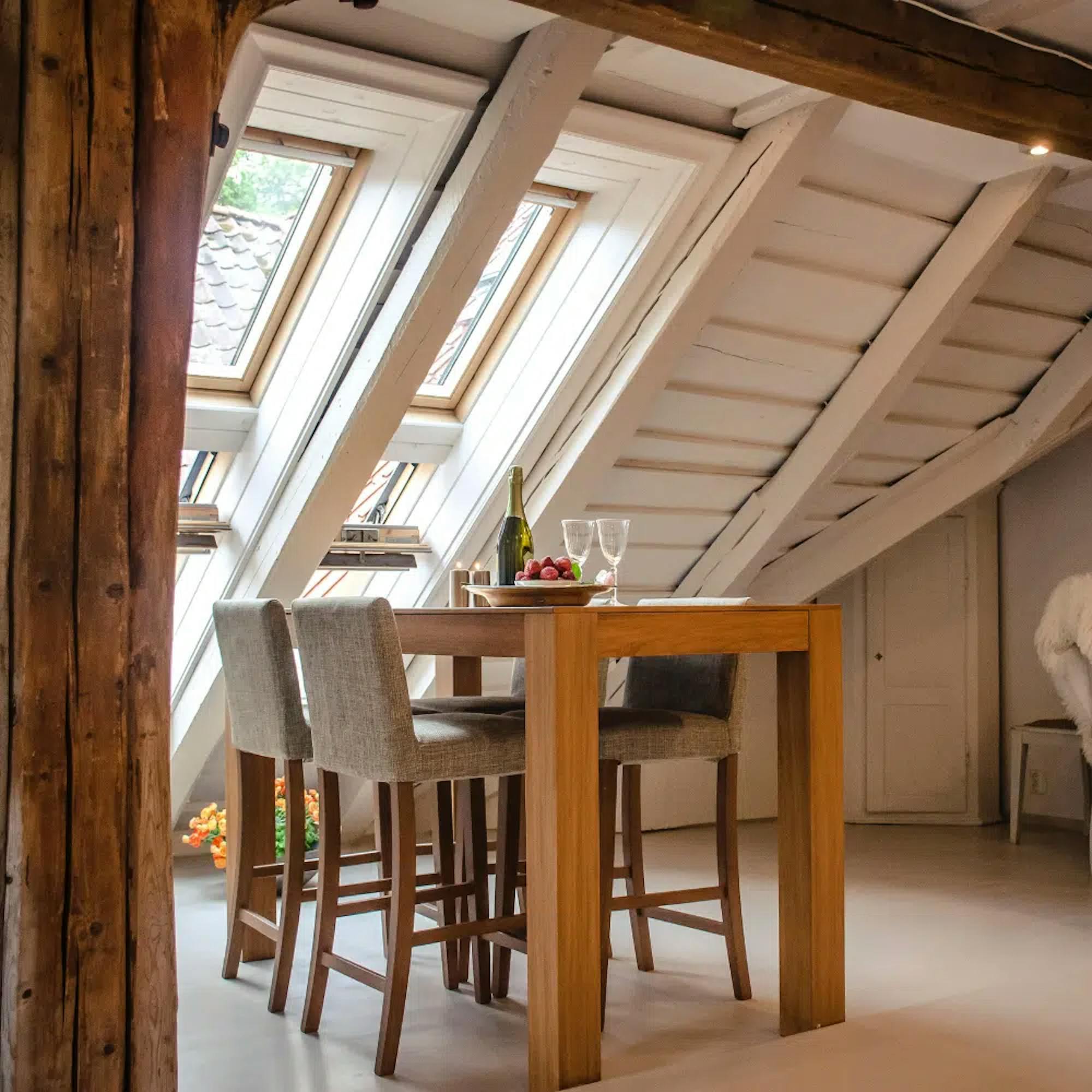
Space: a cluttered space may feel constricted and leave a bad impression. An open plan area can make the home seem larger than it is and give the property a more modern feel.
Little details: your guests will appreciate thoughtful gestures. A welcome pack with a thank you note and local information or even a small hamper with treats can have an impact.
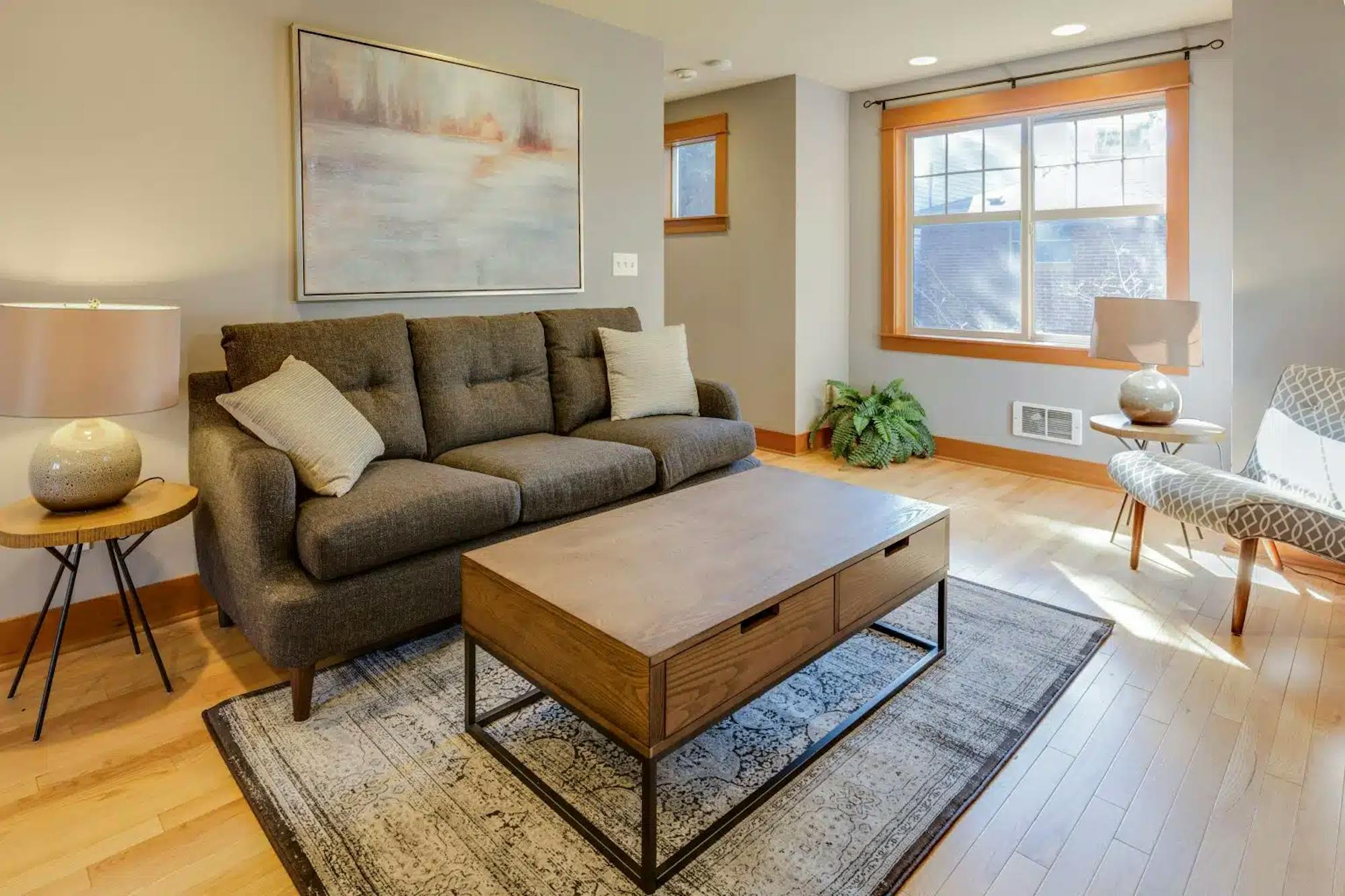
First impressions: set a positive tone early by creating a welcoming atmosphere as guests enter the property. Some potted plants near the front door, a colourful rug in the hallway or pictures on the walls can make your guests feel at home as they enter.
Quality furnishings: try to get the best furnishings you can afford. Stains, crumples or well worn furniture could lead to poor guest reviews.
Standout features: unique features such as hot tubs or even a simple focal point in a room such as a colourful vase of flowers can make your property more appealing.
Advertising your holiday let and writing a listing description
Once you have done your research and prepared your property, you will need to promote your listing. If you are not using a holiday let agent, you can do this either by using a booking website or promoting your listing on a website of your own. Here are some key points to consider:
Use a catchy headline: a headline that accurately captures the key selling point of a listing may capture a guest's attention more than one that does not. Think 'Quirky countryside cottage' rather than '3 bed house'.
Utilise a hook: draw attention to the most attractive features of your property early on to keep your guests interested. Think about features such as attractive gardens, stunning views, woodburners or countryside charm.
Stay accurate: do not over exaggerate the description of your property and keep it accurate. Descriptive terms are fine, but try not to over use them. Overpromoting your property may lead to complaints if it does not meet guest expectations.
Try to be helpful: helpful information that may be attractive to guests such as proximity to amenities and local attractions may also be useful. Certain property features such as Wi-Fi and parking facilities may be key features for many guests that determine whether they book with you.
Remember your target audience again: try to avoid focusing on areas that may not appeal to the guest you are trying to attract.
Once you have your listing description ready you will need some photos of the property. Head over to our holiday let advertising guide for ideas on where you can promote your property.
Taking photos
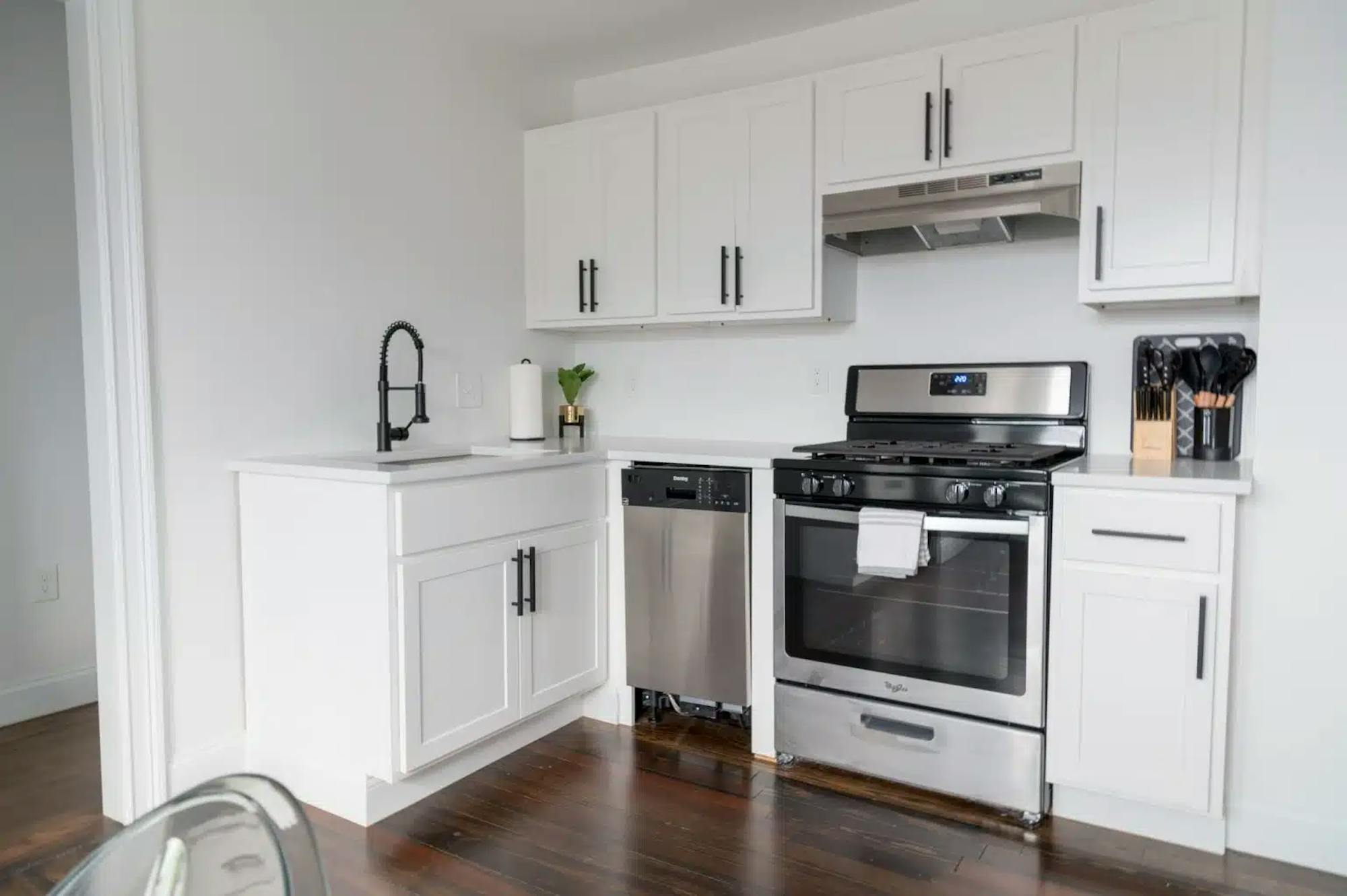
Your listing photos will be the main hook that draws any potential guests in. Good photos can potentially result in more bookings, so it is important to get this right. Here are the basics:
Capture the key focal points: the focal points of your home are the standout features that sell it. Make sure these are prominent in your photos.
Utilise space: like we discussed in our section on furnishing your property, your guest may appreciate a more spacious than cluttered home. In addition, using a wide angle lens when taking photographs can make areas look larger in your photos.
Use a good camera: there is no substitute for using dedicated camera equipment. A decent used digital SLR camera can be found online and can typically outcompete any smartphone camera. Using a tripod may give you more stability and control when taking shots.
Pay attention to lighting: natural light is best but use artificial where needed. Avoid taking photos when the sun is shining directly into the room as this could make your photos look flat or washed out.
Whilst taking a good photo is important, it also can take practice. You might find it easier to hire the services of a professional instead. These photos may make your listing stand out more than if you took the photos yourself and can often be worth the investment.
Should you use a holiday let agent?
We have gone through the basics from doing research to getting your property ready and how to create a listing description and photos. If that all sounds like a lot of tasks you would rather not be doing, obtaining the services of a holiday let agent could be an alternative. Getting someone to manage your property can come with some significant benefits, including:
Time savings: holiday let agents can manage everything from marketing your listing, to meeting guests and arranging for someone to clean your property. This can save a substantial amount of time.
Expertise: an established agent can utilise their industry expertise to optimise your listing. From professional photos, to property descriptions and getting guests in the door, a good property manager can potentially increase your revenue.
Exposure: larger property agents may have a big platform they can promote your property on. Being able to use this means your listing may get exposure to a bigger volume of guests than if you did everything yourself.
Whilst hiring a holiday let agent comes with many positives, they will also come with an additional expense and will give you less control over the day to day running of your holiday let. It may come down to how much control you want, how much time you have to spare, and whether you can afford it.
Getting insurance
Having insurance may protect you against issues such as guest damage legal, and liability problems. Holiday let policies can differ between providers, so check that the policy includes the cover you need.
Check out Pikl's holiday home insurance page if you'd like a quote for your second home or want to find out more.
How to run your holiday let day to day
Once you have set up your holiday let business, you will need to manage it effectively day to day to get repeat bookings and earn an income. The following are the essentials you may want to pay attention to.
Holiday let changeovers
A changeover is the period between your guest leaving and the next one arriving. It is the period of time where you may want to:
Clean the area: your guests will not appreciate an untidy looking holiday let. A cluttered space that feels constrictive or crumpled bedsheets could lead to poor guest reviews.
Check for damages: take a checklist with you and look for signs of damage or missing items. Contact your guests or insurer as soon as possible if something is wrong.
Welcome packs and useful information: a welcome pack is a collection of items provided to new guests upon arrival. Depending on the type of guest you are trying to attract, this can either be a collection of basic or luxury items. Typical items included will be things such as teabags, sugar, milk and biscuits. Essential information such as emergency exits and instructions for appliances should also be included. Include information about checkout times as well.
If you would like to learn more about the cleaning process or how to check for damages, have a look at our holiday let cleaning checklist.
Key handovers
This is the period where the guest picks up their keys to wherever they are staying. There are multiple ways of doing this, ranging from:
In person handovers: handing the keys over to your guests either in person or getting someone else to do this for you is a tried and trusted way that adds a personal touch too. It also gives you a feel for your guests, allows you to communicate important information, and check if they have any specific needs. In person handovers will necessarily take up more of your time, and getting someone else to do this may come at an additional expense.
Smart locks: through the use of digital codes that change after each guest stay or using specific barcodes that guests can use with their phones to access the property, smart locks combine convenience and security and potentially free up your time too. If you are not going to be there in person, you may want to make sure that any useful information is communicated via your guest welcome pack.
Lockboxes: a lock box with a combination code that contains the keys to the house can offer a similar but lower tech solution to smart locks.
Deposits
Deposits are typically a percentage total of the booking costs. If you have an independent booking system, setting your own deposit can help protect you against property damage and allow you to retain some of the money if an issue arises. If setting your own deposit, make sure that you:
Request payment with a valid card: simply holding the guest's card means that you may not be able to recover any money if something goes wrong. Make sure that you request an up front payment.
Don't accept deposits with cash: not having a digital trail could lead to disputes over payments or put some guests off. Accepting payments in cash generally may make it difficult for insurers to cover you if there is no obvious financial trail.
Be careful to check the terms and conditions if using a property manager or websites like Airbnb. Third party platforms often set their own rules regarding deposits and setting your own may be a breach of their terms and conditions.
Guest management
Managing your guests is an unavoidable and essential part of running your holiday let business. Regular tasks include:
Dealing with guest enquiries: it is important to respond promptly to any questions about the property that your guests may have. Taking too long may mean that you may lose a booking.
Screening guests: you may want to implement basic measures to make sure that your property is likely to be safe during a guest stay. Potential measures could include contacting your guests to understand their needs and looking at social media profiles. As an example, if a guest makes a booking for a property with two rooms but the guest is asking to bring a large group of people over for a one night stay, you may want to consider cancelling the booking if you suspect the likelihood of a party. Trust your instincts, but try not to rush to conclusions or be discriminatory either. Some platforms also allow you to leave guest reviews, allowing you to see the guest's review history for prior bookings.
Booking management: as a holiday let owner you will need to process bookings and manage your calendar. If you do this outside of third party booking platforms then you may want to acquire booking platform software in order to do this. Booking software allows you to automate the booking process, giving you more time to focus on other activities.
Maintenance
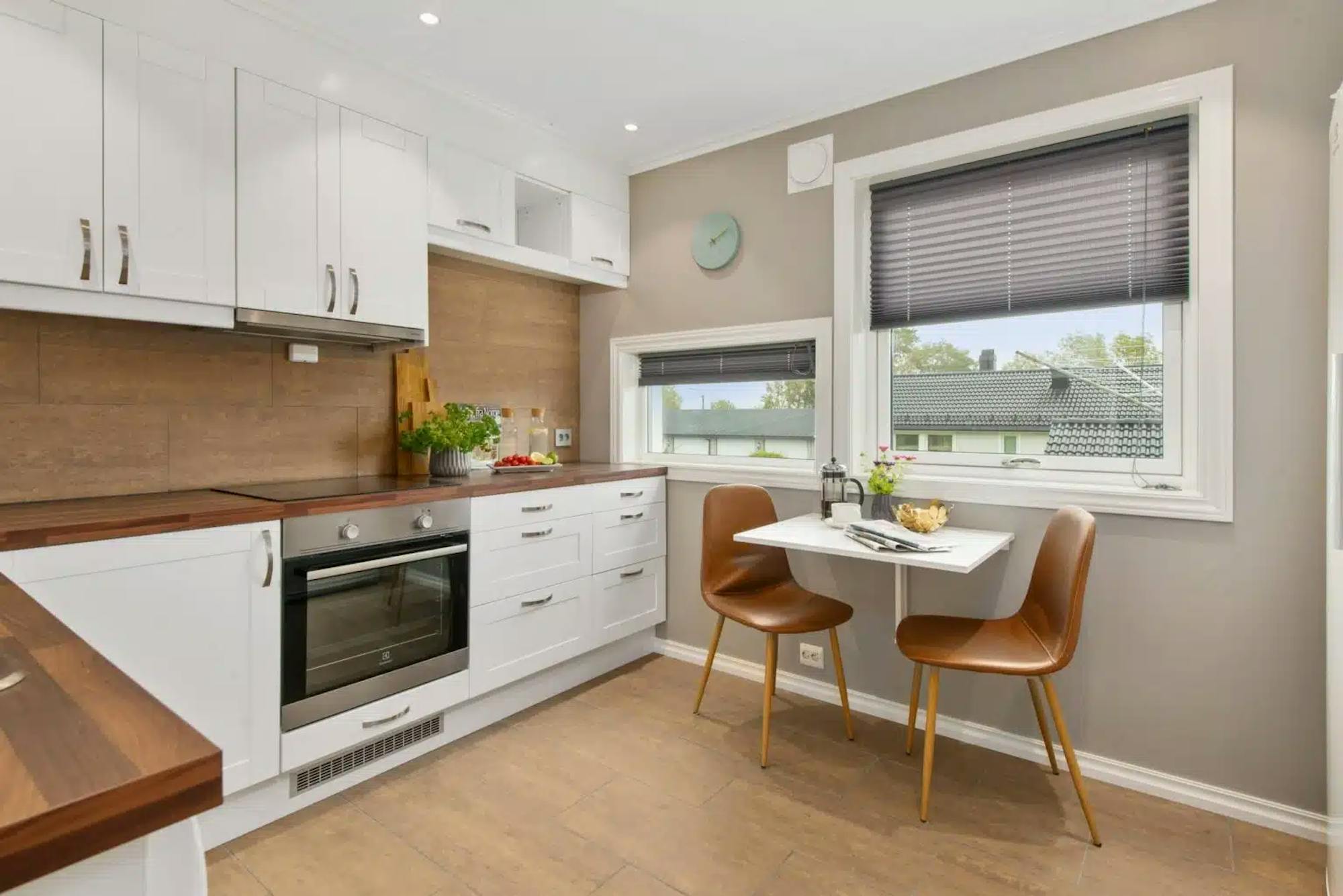
Maintaining your property is important as it keeps your holiday let looking presentable and in working order. A badly kept property may lead to poor guest reviews. Pay attention to:
Safety requirements: make sure that you conduct regular safety checks and comply with requirements such as annual boiler servicing.
Deep cleaning: guests typically expect a clean property as they get when booking with hotels. In addition to regular cleaning during a guest changeover, you may want to consider doing a deep clean once a year, including windows. Clearing out gutters on a biannual basis can also prevent issues such as leaks and flooding.
Clutter: even if you keep your property spotless in between changeovers, it can be easy for your place to become cluttered with items over time. Remind yourself of what your listing photo looks like, and rearrange your home if needed so that the guest experience matches pre-visit expectations.
Broken items: regularly test appliances and items available for use by guests. Doing so after each guest stay will allow you to identify and hopefully fix issues that can allow you to avoid complaints. Leave a portion of your budget aside for emergency fixes or callouts from tradespeople when required.
Garden maintenance: if your property has a garden then it is important to not let this become overgrown. Carry out tasks such as weeding and mowing the lawn regularly or consider hiring a gardener to do this. Alternatively, having a lawn free garden with slow growing plants or implementing measures such as installing weed membranes can reduce the amount of maintenance needed.
Taxes
Taxes can be a complex part of running a holiday let, and what applies to you will depend on factors such as where the property is located, how it is used and your individual circumstances.
Areas you may need to consider include:
Council tax or business rates: which one applies can depend on how your property is used and the rules in your part of the UK.
Tax on your income: income earned from your holiday let may need to be declared and could affect the amount of tax you pay.
VAT: depending on your level of taxable turnover, you may also need to consider whether VAT rules apply to your business.
Keeping accurate records of your income and expenditure can make it easier to understand how your holiday let is performing and deal with your tax obligations. A simple spreadsheet or accounting software may be enough to get started.
Tax rules can change and vary across the UK, so check the relevant guidance for your circumstances. If you are unsure about what applies to you, consider speaking to an accountant or other qualified tax professional.
Areas that new holiday let owners may miss
We have covered most of the essentials when it comes to how to get set up and run a holiday let. Here are some key areas that new owners may miss.
Mistake 1: Leaving no digital trail
When a booking is made through a specific website such as VRBO or Airbnb, always keep your communication with guests through that platform. Not doing so could lead to violating their terms and conditions.
Mistake 2: Not syncing your calendars
Many owners will have their own personal calendar along with the system used for making bookings. Make sure that these are up to date so that bookings are not made on days reserved for personal time and your own holidays. Owners that list their home on more than one platform will need to have their calendars synchronised so that double bookings are not made.
Mistake 3: Responding poorly to reviews
Your interactions with guests form part of your personal brand. How you respond could impact whether guests become repeat visitors as well as inform new potential guests. Consider these tips:
Thank your guest for leaving a review.
Vary the wording of every response so that they sound genuine.
Stay professional.
Address any concerns with empathy.
Stand your ground where justified, but try not to sound too defensive if a guest criticises you.
Respond to every review, whether negative or positive.
Mistake 4: Not keeping up with regulations
Rules for holiday lets can vary depending on where your property is located, and requirements may change over time. This means it is important to keep up to date with the rules that apply to you.
To help with this:
Check local requirements: your local authority may have specific rules, restrictions or licensing requirements for holiday lets in your area.
Keep an eye on national changes: Government guidance and legislation can change, so review official updates from time to time.
Get professional advice where needed: an accountant, solicitor or other qualified adviser may be helpful if you are unsure how changes could affect your business.
For a broader overview of the rules that may apply, see our holiday let regulations guide.
Mistake 5: Failing to account for seasonality
Holiday bookings often follow seasonal trends, and failing to account for them can lead to missed opportunities. Common mistakes include:
Price insensitivity: charging the same price year-round can reduce bookings in slow seasons and undercut earnings in peak periods. Dynamic pricing tools can help adjust rates automatically based on demand and competition.
Generic listings: tailor your listing to the season. A garden BBQ might shine in summer but feel irrelevant in winter. Highlighting seasonal attractions can also give your property an edge over competitors.
Decor mismatch: aligning decor with the season enhances guest experience. Festive touches at Christmas or fresh flowers in summer show attention to detail. Bland or off-season decor may reduce appeal.
Lack of preparation: not planning for seasonal highs and lows can leave you disorganised. Use quieter months for deep cleaning, maintenance, or personal time to avoid disrupting guests during busy periods.
Ignoring running costs: fixed expenses like insurance and holiday let mortgages remain constant, but ignoring demand patterns can make these costs harder to cover. Aligning your pricing and planning with seasonal demand helps maximise revenue and maintain profitability.
Key takeaways
The steps to setting up a holiday let business can potentially require a lot of effort and knowledge in order to make a profitable income. The good news is that it is possible with enough dedication. To summarise, you may want to follow some of these key principles:
Stay up to date with the law: no matter how well your holiday let business is doing, it is important to keep up to date with legal requirements as they can change regularly.
Protect your property and create a safe environment for guests: using a combination of measures such as risk assessments, inventory checks, and insurance may help to reduce some worries about potential issues such as injuries, property damage, and liability claims.
Create a detailed plan and stick to it: set yourself some goals. Budgeting and regularly monitoring costs as well as making adjustments to make sure you stay on track can help you test and learn your way to achieving what you want.
Remember your target guests: do everything from your listing presentation to furnishings and communications with your target guest in mind. You may want to be open with regards to how you approach this based on feedback from guests after stays.
Focus on the strengths of your holiday home: from listing photos and descriptions to how you present or furnish your property, try to focus on what makes your home stand out the most.
At Pikl, we know that the journey of starting out as a holiday let owner is not always easy. Understanding what you are doing is especially important when it comes to insurance. If you have any queries about cover, get in touch with a member of the Pikl team.
Related
Holiday home insurance
UK Holiday let profit calculator
Holiday home insurance
Holiday let business costs & how you may reduce them

Get a quote in minutes
Compare insurers for a combined home and host insurance package.